Technical
String vs microinverters in dusty, shaded urban rooftops
Updated June 2026 7 min read By S3 Solar
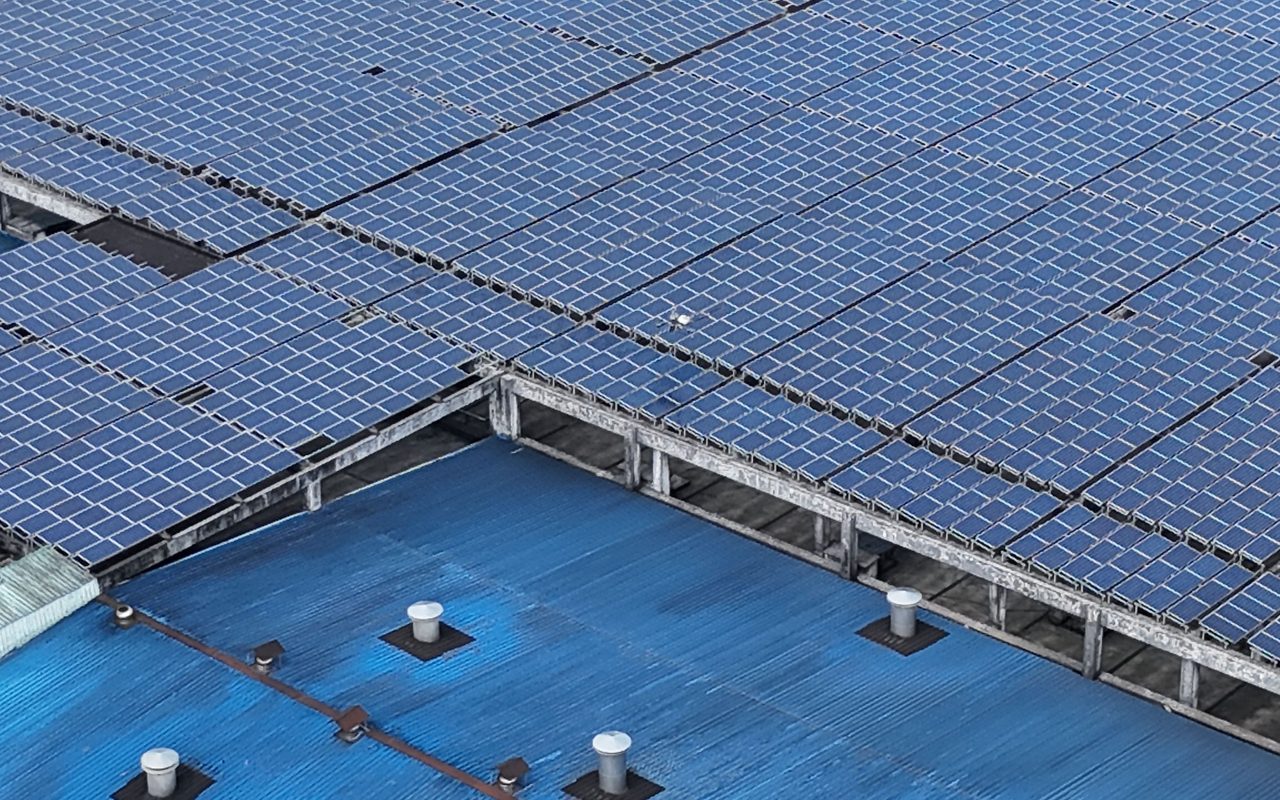
Pakistan’s urban rooftops are dusty, cluttered and partially shaded. The inverter topology you choose has a real impact on yield.
The two approaches
String inverters wire panels in series into one (or a few) inverters. Cheaper and simpler, but a shaded or dirty panel can drag down the whole string. Microinverters (or DC optimisers) work per-panel, so a compromised panel only affects itself.
What matters in local conditions
- Partial shading from water tanks, parapets and neighbouring buildings favours per-panel electronics.
- Heavy dust accumulation is uneven — module-level MPPT recovers yield a string would lose.
- Multiple roof orientations are common on urban homes; per-panel or multi-MPPT handles them cleanly.
- String systems still win on cost for clean, unshaded, single-orientation roofs.
S3's rule of thumb
Clean, simple roof: a good multi-MPPT string hybrid is the value pick. Shaded, cluttered or multi-facet roof: module-level electronics usually pay for themselves in recovered yield.
Our surveyors assess shading and orientation on-site and recommend the topology that maximises your yield-per-rupee. Start with the calculator, then book a survey.